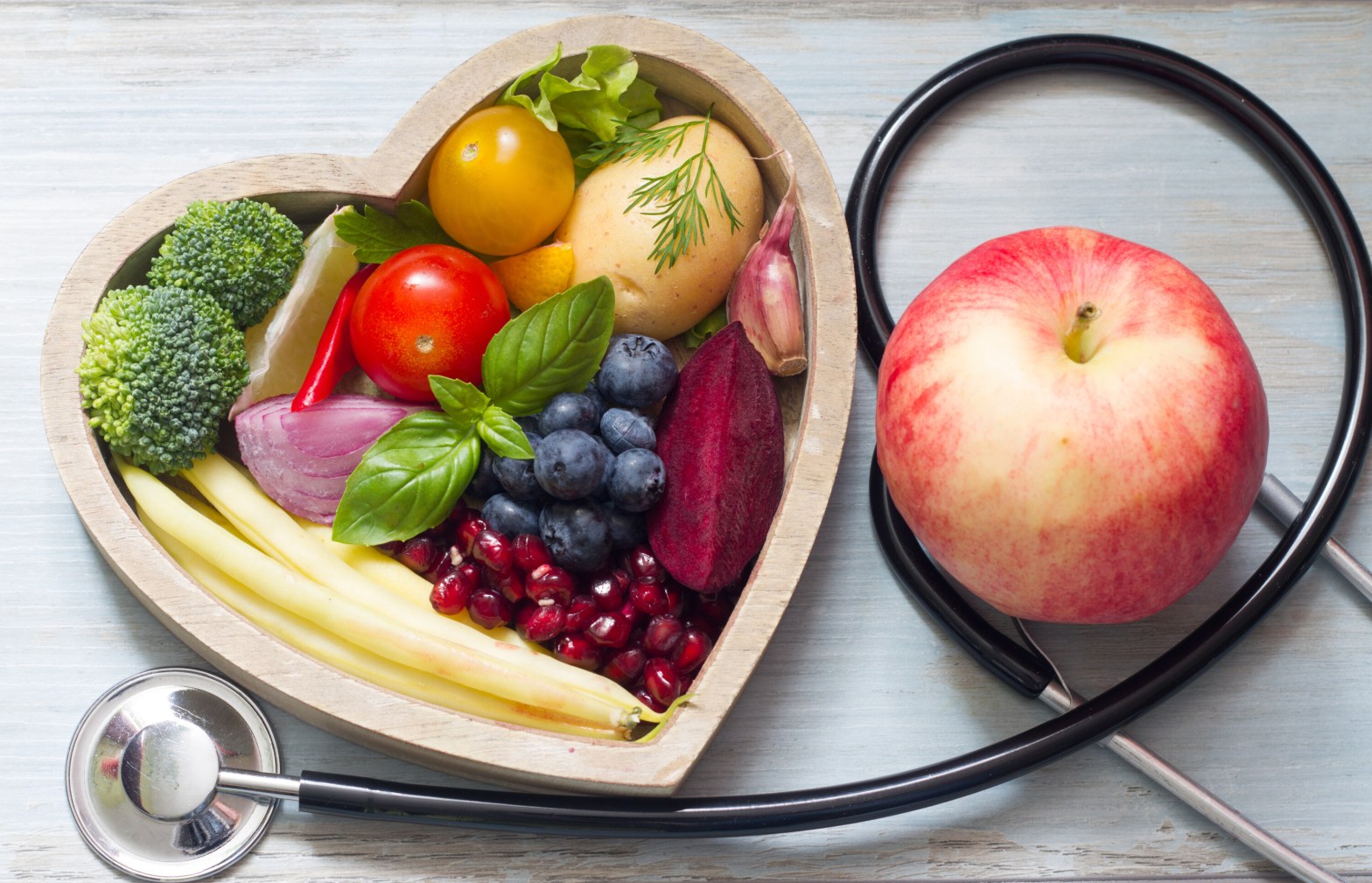
To prevent cardiovascular disease, we pay attention to what we eat. A diet rich in fish but also in fruits and vegetables promotes good heart health. No food is prohibited.
- Is there a preferred diet for the heart?
- What foods are good for the arteries?
- In video: Can you eat eggs if you have cholesterol? Video response
- What foods are bad for the heart?
Eat everything but without excess, favoring foods that are friendly to our arteries: these are the bases of a diet that is good for the heart. In detail, here are the expert recommendations.
Read More: Ten Tips for Bodybuilding Beginners
Is There a Preferred Diet for the Heart?
To protect his heart, it is the most effective Mediterranean diet.
The Mediterranean diet is popular
“This is a diet low in saturated fat, rich in omega-3 and antioxidants,” says Professor. Cardiologist at University Hospital, he participated in the international Monica study which, in the 1990s, showed significant regional disparities linked to diet. Thus, the countries of northern Europe and, the regions of Lille and Strasbourg, where we eat more meat, cold meats, butter and cream, were more affected by heart attacks than the regions Mediterranean regions where we consume more fish, fruits, vegetables and olive oil.
This diet remains recommended by the European Society of Cardiology, for the entire population. On the other hand, cardiologists have relaxed their position on certain points and no food is prohibited. Moderation advice takes precedence over abstinence.
What about vegetarian and vegan diets?
For Prof, “the vegetarian diet is rather cardio protective because it advocates a sober lifestyle and is rather low in calories. However, muscles need iron to function. This nutrient is mainly found in meat . “It is very difficult to have the necessary ration with a vegetarian diet”, emphasizes the cardiologist.
The vegans who banish from their diet all animal products, are exposed to iron deficiency.
What foods are good for the arteries?
Fish in quantity
Oily fish (salmon, sardines, mackerel, herring, etc.) are rich in polyunsaturated fatty acids , which are more favorable to the cardiovascular system. In this family, we find omega-3 which “allows cell membranes to be more fluid. They help lower triglycerides and blood pressure. The good HDL cholesterol increases. They also have an anti-aggregate (against clot formation, Editor’s note) and antiarrhythmic effect “summarizes Professor. Current recommendations are to eat fish twice a week .
Unlimited fruits and vegetables
“The fibers of fruits and vegetables capture excess fat in the food bolus,” recalls Professor. In this sense, they help lower cholesterol. According to Dr. Cardiologist, “200 g of fruit and 200 g of vegetables per day provide the necessary ration.”
Fruits and vegetables also provide antioxidant nutrients, particularly polyphenols, which many studies show reduce cardiovascular risk. “Olive oil, tea, cocoa and even soybeans are rich in polyphenols,”
Eggs without excess
Egg yolk is high in cholesterol which, a priori, classifies it in the category of foods to avoid. However, the egg contains a lot of interesting nutrients, “a maximum of four to six eggs per week are allowed, including egg-based preparations.
 The Creative Journal